

Home › Skills › Judicial expertise
SkillJudicial & extrajudicial expertise
An impartial third party to establish the facts: origin of the defects, technical responsibilities, cost of repairs. Amicably, for a party or an insurer, or as an expert appointed by the court.
- Experts sworn before the Luxembourg courts
- The same rigour amicably and in court
- A costed, readable report drawn up with all parties heard
Judicial or extrajudicial: what is the difference?
Extrajudicial (amicable) expertise
The expert is appointed by a party, by an insurer or by mutual agreement between the parties. The aim: establish the facts quickly, quantify, and find a way out without a trial. This is the most frequent case: a claim, a defect, a disagreement at the end of a site.
Judicial expertise
The expert is appointed by the court as part of proceedings. They work for the judge, with all parties present, and their report informs the court’s decision.
In both cases, the investigations, methods and level of rigour are identical. A well-conducted amicable expertise often avoids a trial; if the dispute goes to court, it has prepared the ground.
The condition survey, the reference that prevents conflict
A condition survey is a written, detailed document that precisely describes the condition of a property or a site at a given moment. It can be drawn up before, during or after works, and provides an objective reference to:
- observe and document the existing condition of a building or a site
- record any defects, cracks, infiltrations, deterioration or non-conformities
- prevent disputes between the parties (project owner, contractor, neighbours)
Drawn up with all parties present by a sworn licensed surveyor, it guarantees the neutrality, precision and reliability of the document.
Condition surveys by SECO Geolux →Five families of expertise
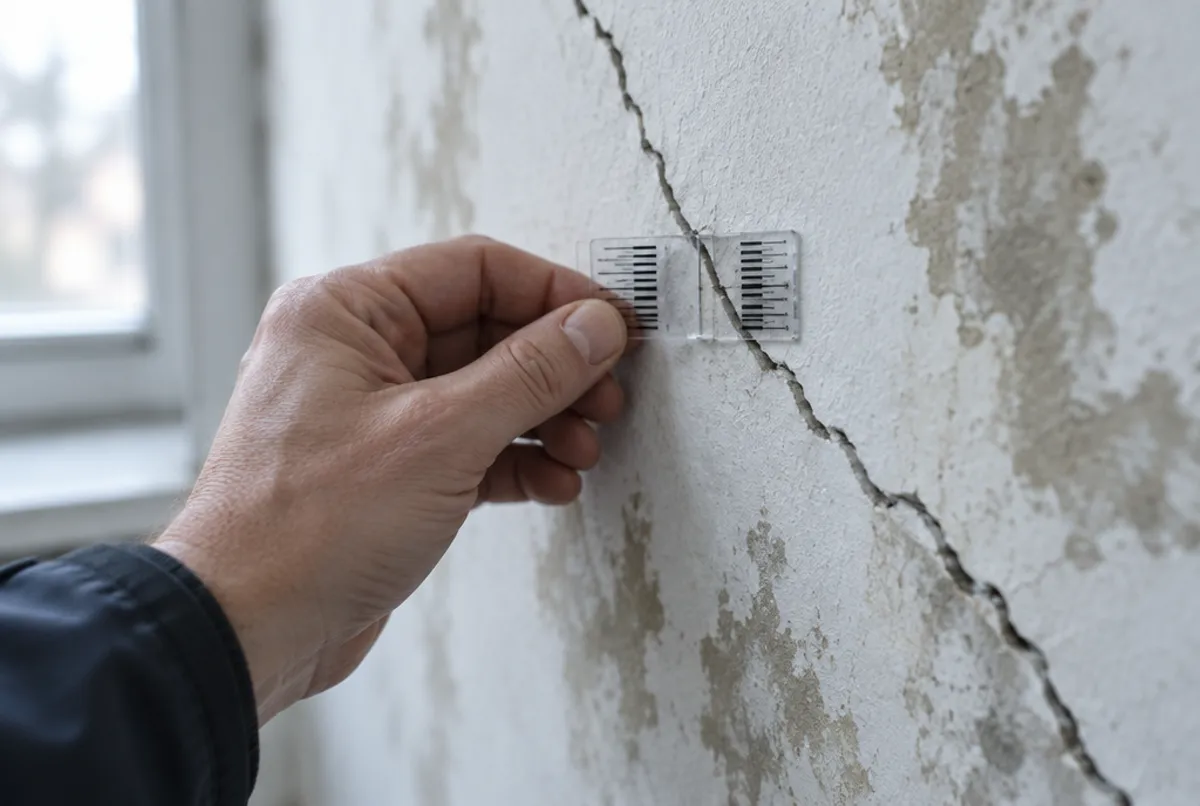
Pathology expertise
Diagnosis of building defects: cracks, infiltrations, damp, poor workmanship. Identification of causes and technical responsibilities.
- Cracking and deformation
- Infiltrations, damp, condensation
- Workmanship and design defects
- Analysis of causes and responsibilities
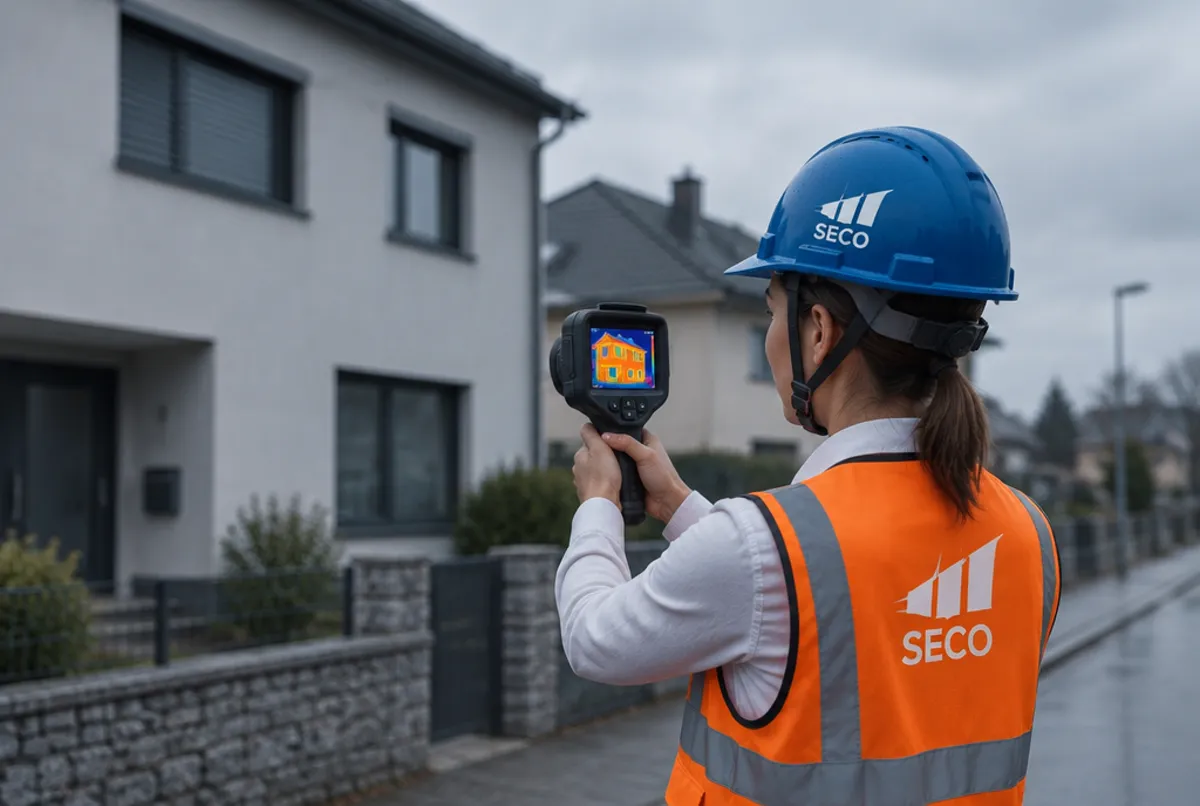
Technical investigations
The measurements and tests that turn an opinion into evidence.
- Non-destructive investigations (thermography, endoscopy, ferroscan, drone)
- Tests and measurements (moisture, bearing capacity, concrete, acoustics, watertightness)
- Surveys and 3D modelling (3D scan, BIM)
- Destructive investigations (carbide bomb, concrete auscultation)
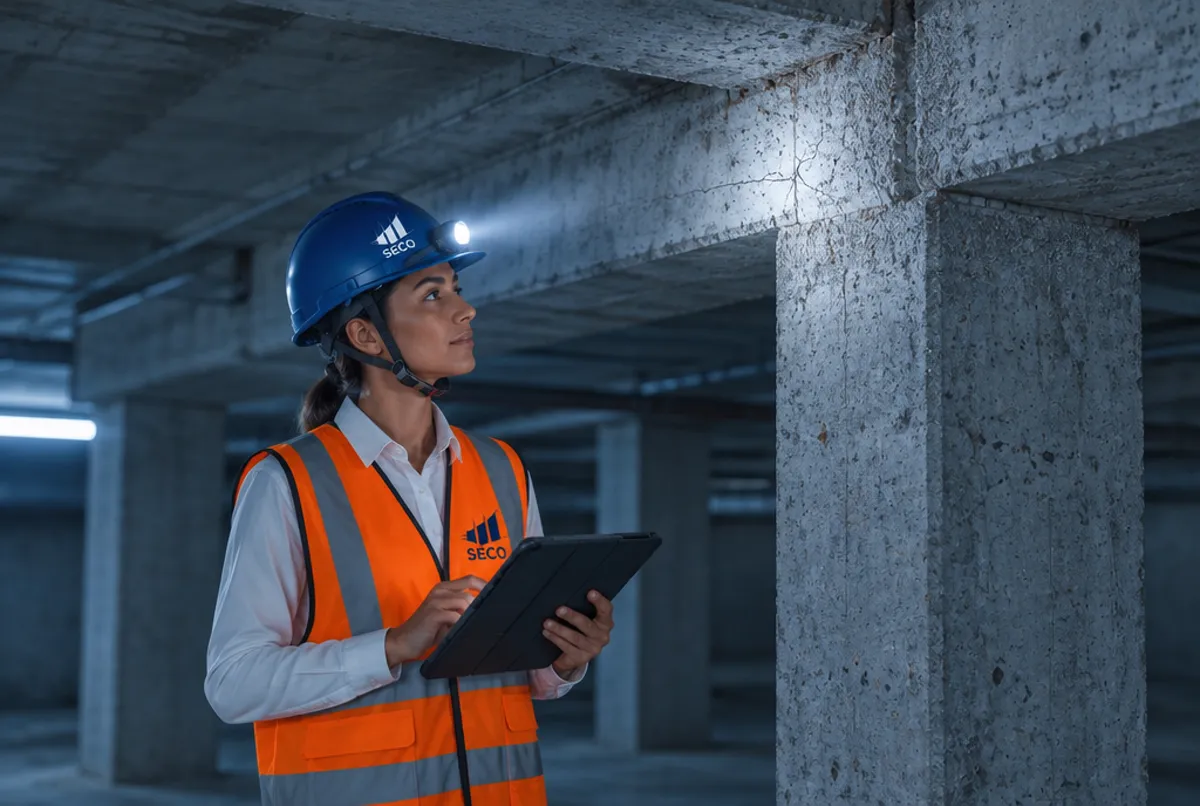
Structural expertise of existing buildings
Does the structure hold, and for how long?
- Stability analysis of a structure
- Inspection of concrete, steel and timber structures
- Verification of structural drawings
- Structural modelling (calculations, finite elements)
- Monitoring of structural behaviour (instrumentation, vibration measurements, sensors)
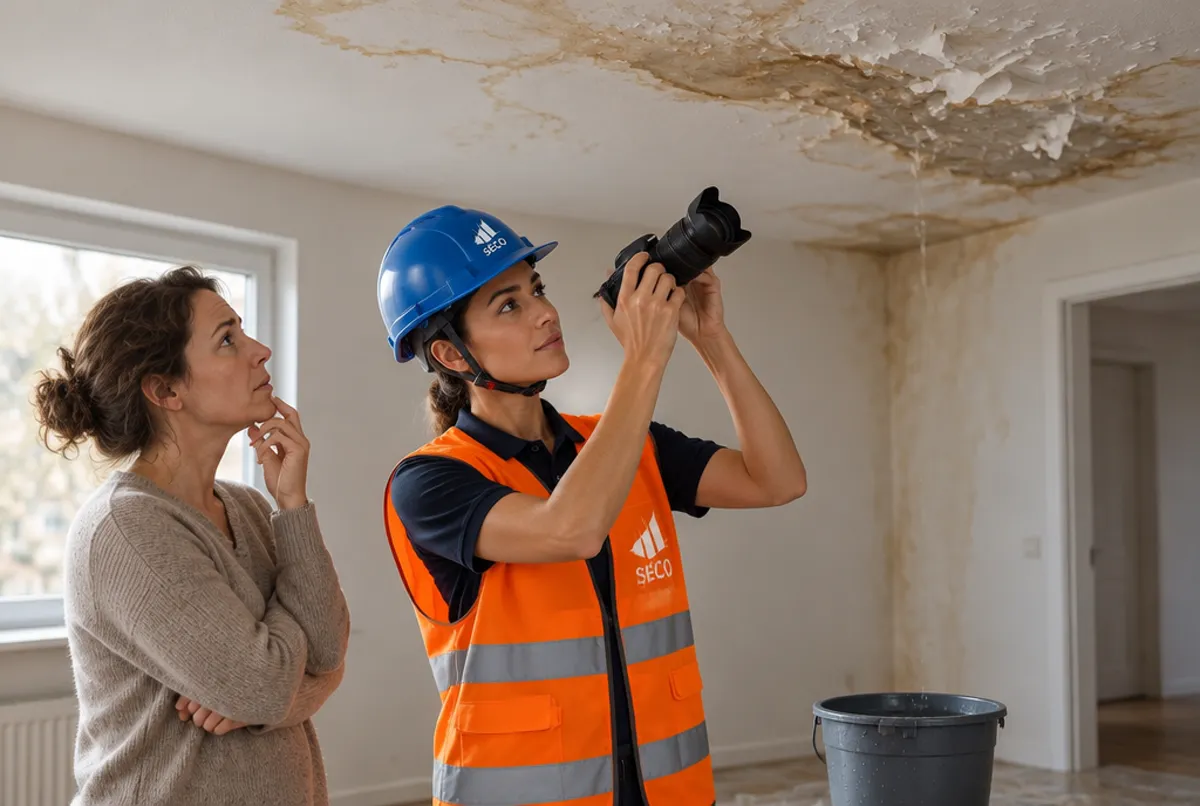
Expertise after an insurance claim
From the emergency to the repair.
- Expertise after water damage, fire, storm, ground movement
- Assessment of damage and estimate of repairs
- Analysis of technical responsibilities
- Definition of urgent protective measures
- Technical follow-up of repair works

Economic, contractual and end-of-site expertise
When the disagreement is about money, time or acceptance.
- Cost analysis and independent estimate
- Assessment of extra costs and claims
- Delay analysis
- Support in settling technical or financial disputes
- Pre-acceptance operations
- Acceptance expertise and lifting of reservations
From the first visit to the report.
- 1
You describe the defect or the dispute
Crack, infiltration, poor workmanship, delay, extra cost: you set out the situation and the documents you have.
- 2
Site visit with all parties and investigations
We record the findings on site, in the presence of the parties, and carry out the necessary measurements and tests.
- 3
Costed report and conclusions
Causes, technical responsibilities, cost of repairs: a document that can be used amicably as well as in court.
In-house investigation equipment
We have the equipment needed to carry out our investigations, in particular:
A skill integrated into SECO’s offering
A question about “Judicial & extrajudicial expertise”?
Our specialists answer in-house. Let’s talk about your project.
Contact an expert